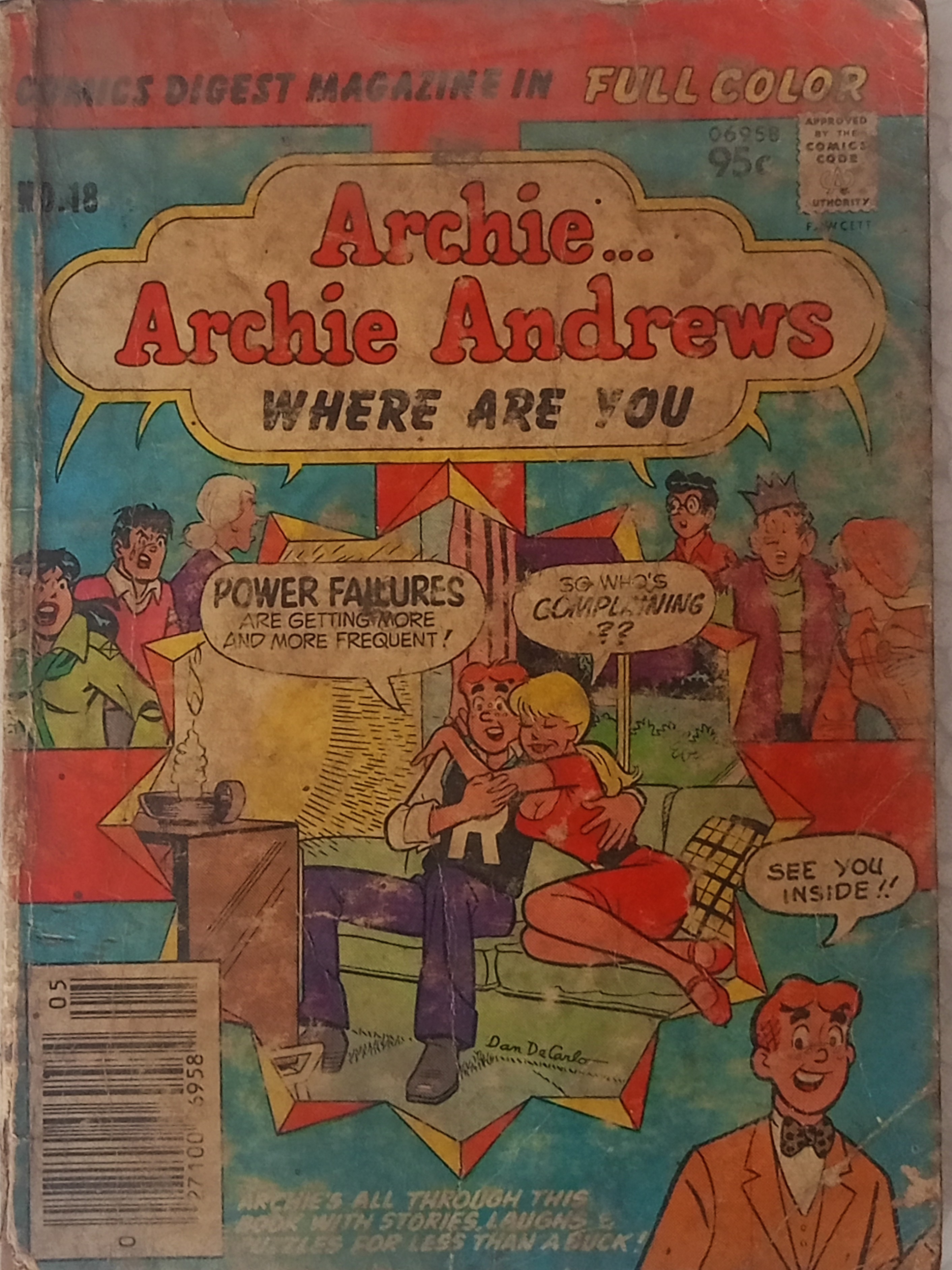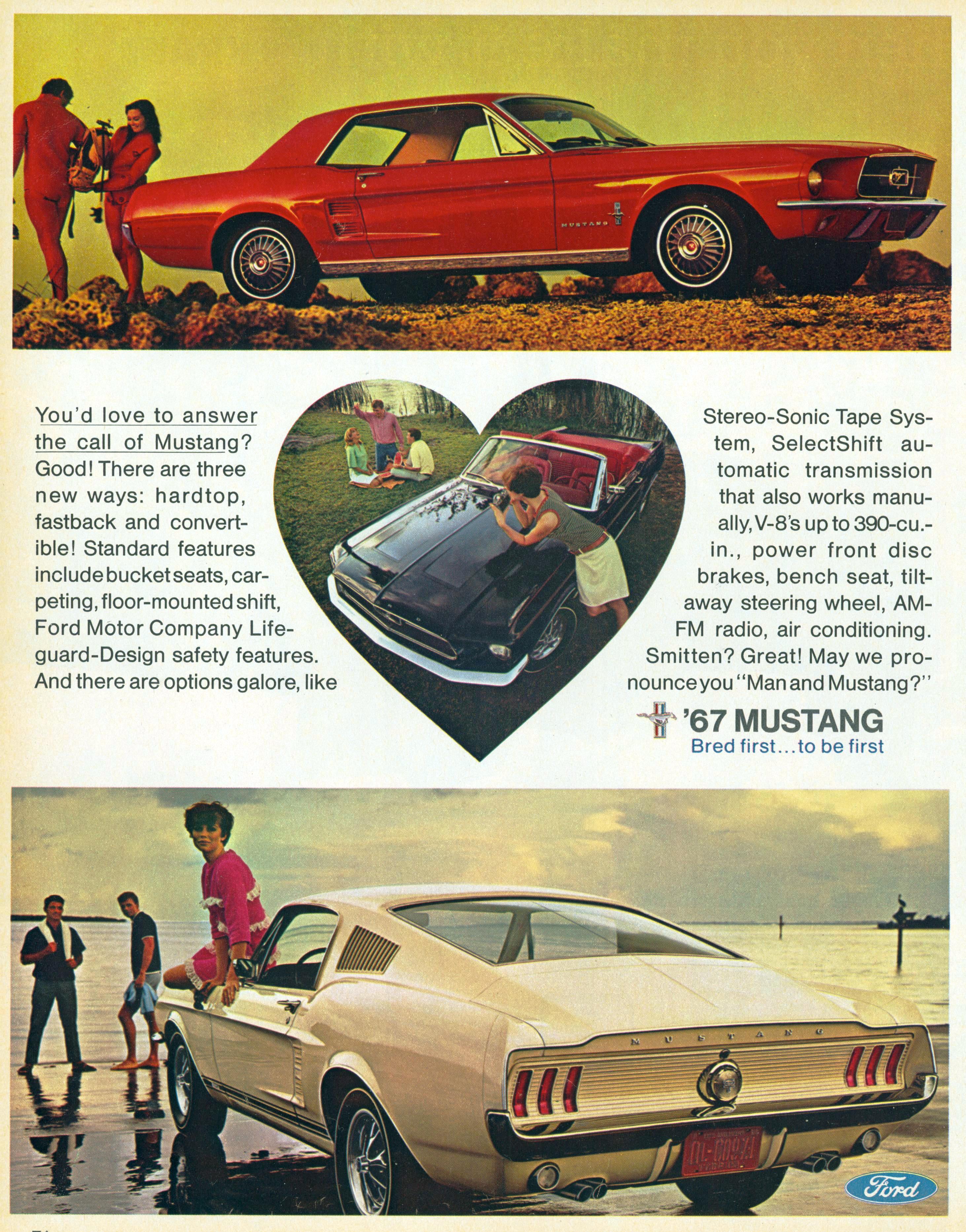
From Air India’s iconic Maharaja mascot to the Murphy Munna, vintage advertisements appear as captivating stills stuck in time. Beginning with simple hand-drawn illustrations, the vintage advertisement industry in India evolved into a hub of emerging visual art in the 20th century, commissioning a variety of portraits, from Hindu deities to Bollywood heroines. Advertisements, rather than simply reflecting culture, actively shape it through the dissemination and reinforcement of social rules and trends. Not only do vintage ads reveal the famed names of the era, but also the social and cultural dictates they were set in. While advertisements undoubtedly reframed aspirations, they themselves were crafted from the cultural fabric they emerged within, borrowing the desires of a nation in transition to sell visions of modernity.
When Lux entered the Indian market in 1941, it signed the “lovely” Leela Chitnis to be the first face of a campaign that went on to promote its global campaign—the beauty of fair complexion. Following Lux, a majority of cosmetic advertisements, including Pond’s Cream, stuck to the keyword “lovely” to appeal to the female consumer. The burgeoning modern woman was now drawn toward a newly defined beauty standard, fair and lovely. Often draped in sarees and adorned with bindis, the heroines of Indian beauty campaigns mirrored the “New Woman” of an evolving India; a woman who eagerly adopts Western innovations while remaining underpinned by nationalist sentiments and an enlightened domestic image. The image was a thorough portrait of change that was brought upon by the rapid pace of globalisation.
Nobody was immune to the enchantment of advertisements, and with the cultural reset of the 60s, every industry was flooded with ads. A Western resurgence of clothing with bright motifs, loud paisley prints, and saturated colours in the 1960s was translated in ads all the same. Bold, groovy typography, floral illustrations, whimsical models sporting dazzling eye makeup set the tone for the times—new and free. The trends soon swept India, with baby bangs and long, winged eyeliner, and shift dresses becoming the iconic style of many Indian heroines like Sadhana and Saira Banu in films and ad campaigns, redefining fashion for a modern Indian audience. Soon, the Audrey Hepburn-inspired “Sadhana cut” became a pan-India favourite.
The plethora of vintage ads framed a modern, Western lifestyle as aspirational, subtly shifting the value systems Indian audiences held. While the women were depicted as ideal housewives on Singer and Usha sewing machines, the men were often portrayed as breadwinners, toiling with technology in the public world, thus forming an “ideal Indian family”. Although the booming American advertisements endorsed individuality, the Indian ads appealed to the traditional Indian sentiment of a shared belonging to one’s family and the larger community, often marketed through family imagery and cheerful festive celebration. On a larger scale, advertisements set up a culture of imitation, manufacturing new social ideas and often, a defiance.
Vintage advertisements in India were far more than commercial tools; they were mirrors and moulds of a society in flux. In tracing their colours, motifs, and carefully curated images, one uncovers the aspirations, contradictions, and evolving desires of a generation. Today, they remain windows into the everyday lives and cultural landscapes of their time, reminding us how the art of selling, once quietly became the art of shaping who we chose to become. Preserving these artefacts allows one to revisit how the ambitions and aesthetics of a bygone era continue to echo in today’s visual world.